30 April 2012

Cape Verde Islands


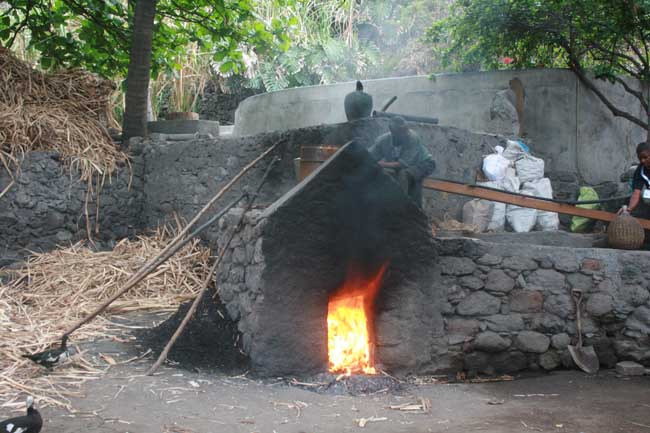
I  have just returned from the Cape Verde Islands which are about to become the next big thing. Life here has in places not changed in centuries and much of the traditional use of cane production still survives from small local farms.
The cane is used for rush mats, roofing materials, firewood and producing the traditionl rum based drink grogue in traditional family distilleries as above above.
Fortunately cruise ships can't get to the smaller islands as their draft is to large but expedition cruise ships with their zodiacs and small passenger numbers are discovering the islands and hopefully will add extra income without damaging their lives. These companies I am glad to say also have an ethical outlook on the local population, wildlife  and landscape.

29 February 2012

Leap year specials

A few images to celebrate 29 February   'leap day'


Breaching humpback and mountain lion  Phillip Colla
Polar bear Steve Kazlowski
Tiger Satyendra Tiwari
Gliding Frog by Robert Pickett

8 February 2012

The Hazards of Volunteering at a Bird Rescue Centre


The volunteers at the South African Marine Rehabilitation and Education Centre in Port Elizabeth on the east coast of South Africa are warned about the sharp beaks of the Cape Gannet (Morus capensis) and the beaks and claws of the African Penguin (Spheniscus demersus) but all the warnings cannot save you from an angry Egyptian Goose (Alopochen aegyptiaca) attacking your rear from the rear.

15 January 2012

Tsunami debris arrives on the Canadian West Coast


Nine months after the deadly tsunami struck Japan the enormous debris field, washed out to sea when the water receded, has started to arrive on Canada's west coast. Much of the coastline is wilderness with absolutely no land access except for a few small fishing villages with connections to the interior. There are several National and Provincial Parks where access is possible and it is in these locales where the first signs of the disaster are being washed up. At the moment, the majority of the items are hundreds of plastic containers but much more solid debris is expected in the coming months. Various outdoor groups are cleaning the beaches and creating a database of collected items. The next few months will provide a snapshot of the devastation experienced by the people of Japan.

31 December 2011

tadpole frying pan


For some or other reason the tadpoles of the Raucus Toad like to congregate on the leaves of the lily pads in my garden pond. Maybe the water is warmer and they can save energy by not having to swim and can just bask in the water. In any case this is disaster for the tadoples because as the sun comes up the water dries out and the tadpoles dry of dehydration and lack of oxygen.

We all know that photographers should not interfere in the processes of nature and this means taking a back seat (and taking pictures) and recording what happens. I feel I must apologise because I sneezed and saved some 30 tadpoles.

I am looking forward to the photographic opportunities that 2012 will bring!

21 December 2011

Merry Christmas


Wishing our contributors and readers a Merry Christmas and Happy New Year. Roll on 2012

6 December 2011

Dog Trek


I had one of those photo grab moments while travelling along a road in South Africa. People walk along the dusty roads but I could see that this young boy in bare feet was doing something special. He was walking from his home to the local Animal Welfare carrying his dog on his shoulder. It was a hot day and the road was long. Always heart-warming to see people prepared to suffer hardship and heat on behalf of an animal.

26 November 2011

The Salmon have come..... and gone

Four weeks ago, the fish were just starting the annual spawning run into the Goldstream River, near Victoria, in British Columbia. There had been concerns about a fuel spill into the river during the summer; some small absorbing booms were stretched across the surface for several months. The 2010 run was also much smaller than expected, so what could one anticipate for this year.

During the last month, several thousand fish have made their way upstream. They have joined into mating pairs, dug out their small trench in the gravel, and have laid their eggs and fertilized with milt... but then comes the ultimate price! The skin of the fish begins to discolour, the flesh becomes inedible, to humans that is, and the fish slowly die.

Some are washed downstream to be eaten by the waiting bald eagles, but many wash up on the river bank to be eaten by seagulls. At night and early morning, mink and bear arrive at the river to feed but the human presence during daylight hours tend to keep these animals hidden in the underbrush
This small river is just one of many on the coast and fortunately it is in a dedicated wilderness park. Its proximity to a city attracts thousands of visitors during the fall season but with park rangers working on river bank protection and other environmental issues, the wilderness nature of the river has been successfully maintained.

15 November 2011

Rhino poaching in South Africa


The poaching of both White and Black Rhinocerous (Ceratotherium simum and Diceros bicornis) which are critically endangered in South Africa is rampant and to draw the attention of the South African government to the plight of the rhino the various groups trying to protect the rhino have taken the unusual step of defacing bank notes. The defacing of bank notes in any way is illegal but the eco-activists are using red pens to mark the horns of the rhino on the ten rand note. It is hoped that citizens will also become aware of what is happening and that the government will also take the matter more seriously. A total of 361 Rhinos have already been killed this year!